
SIX PRAYER RESOURCES
I thought it might be useful to someone if I described six prayer resources that I use personally. They range from cheap to free.
PSALMS AS PRAYER
In 1983 I took part in the morning prayers at Kurisumula Ashram in Kerala, India (fortunately in English). They use the Syrian Orthodox liturgy which has been in India for at least 1400 years.
The central component is the saying of three psalms, 51, 63 and 113, which they say every morning of their lives. Fo the first time I found I could use psalms as an an expression of my own feelings. The three psalms are in effect a ladder, moving from confession to trust to praise. After saying them for two weeks I knew them by heart and could pray them anywhere, in my bedroom, on the bus, on the train. The actual psalms said are 51.1-7, 63.1-8 (or in some translations 1-9) and 113. However, if the last verse of Psalm 113 causes difficulties, Psalm 146 could be said instead.
(Note that Roman Catholic and Orthodox Bibles use the numbering from the ancient Greek translation of the Hebrew Scriptures called the Septuagint. So in these Bibles the first two psalms are numbered 50 and 62. Protestant Bibles use the numbering of the Hebrew Scriptures).
Later I added more psalms creating a two-weekly cycle, again based on confession, trust and praise.
The introductory and concluding prayers of the liturgy are particularly poetic. One of the morning prayers starts, ‘Creator of the morning, who drives out the darkness and brings light and joy to all creation, create in us habits of virtue…’
The concluding prayers starts, ‘Open your doors of mercy, Lord, hear our prayer and have mercy upon our souls…’
If you would like me to email you a 4-page leaflet giving the format for morning prayer and night prayer, just email me.
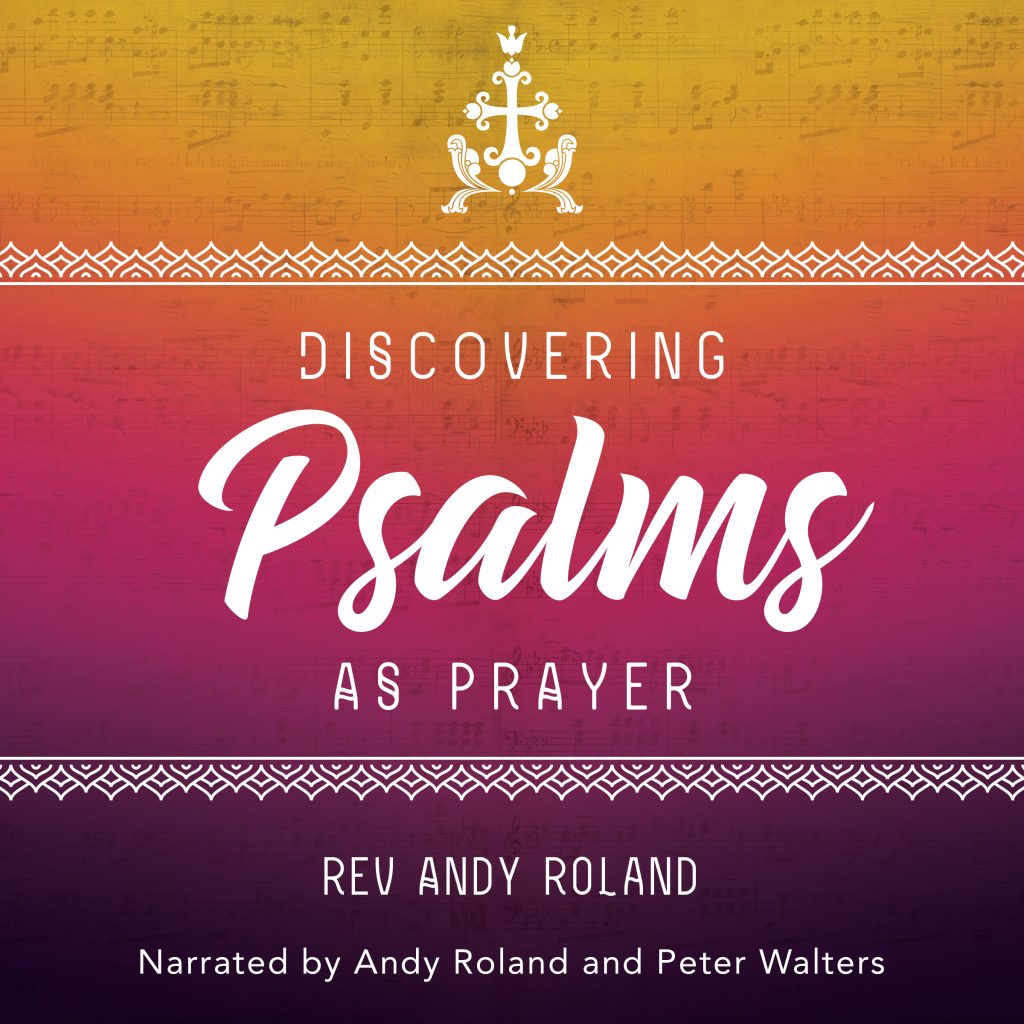
A longer description of how to use the psalms morning, noon, evening and night, is in my book ‘Discovering Psalms as Prayer’ which I will happily send you for just £5 + p&p.

DAILY PRAYER
This is the Church of England’s website for Morning Prayer, Evening Prayer and Night Prayer. It gives the full text for the services of the day, including seasonal variants. It is particularly useful for quickly turning to the daily readings from the Old and New Testaments. And it only costs £3.99 a year!
BIBLEGATEWAY
biblegateway.com is a great app, free, giving access to dozens of different translations. Here are the ones I find most helpful:
- Revised Standard Version (RSV) A bit old-fashioned and non-inclusive language, but I find it the most poetic.
- New Revised Standard Version The most common version along with the New International Version.
- New English Translation A recent translation, copyright-free with excellent footnotes.
- Mounce’s Interlinear Greek/English New Testament Invaluable in comparing translations with the original Greek.

LECTIO 365
This is a free app offering a meditative approach to prayer, morning, midday and night. The aim throughout is to encourage us to draw near to God, and open our ears to listen. It was created by Pete Greig, a founding leader of 24/7 prayer movement. Lectio 365 is based on the ancient monastic practice of ‘Lectio Divina’ – mediative reading of the Bible. It is particularly helpful if you listen to it rather then just read it, because then you are drawn into significant periods of silence. My wife and I sometimes listen to it together in the morning, a great way to start the day.
ALCOHOLICS ANONYMOUS
AA is not just a device to escape addiction, it is a spiritual path. Prayer is central to the Twelve Steps. For example, this is the Step 3 prayer:
God, I offer myself to Thee, to build with me, and to do with me as thou wilt. Relieve me of the bondage of self, that I may better do Thy will. Take away my difficulties, that victory over them may bear witness to those I would help of Thy power, Thy love, and Thy way of life. May I do Thy will always.
I have produced a 4 page leaflet giving prayers and reflections for all of the twelve steps which can be used on an daily basis. Again, if you would like me to email you a copy, just let me know.
CENTRING PRAYER
When talking about how she wrote her books, Agatha Christie said, “All I need is a chair, a table, a typewriter and a bit of peace.”
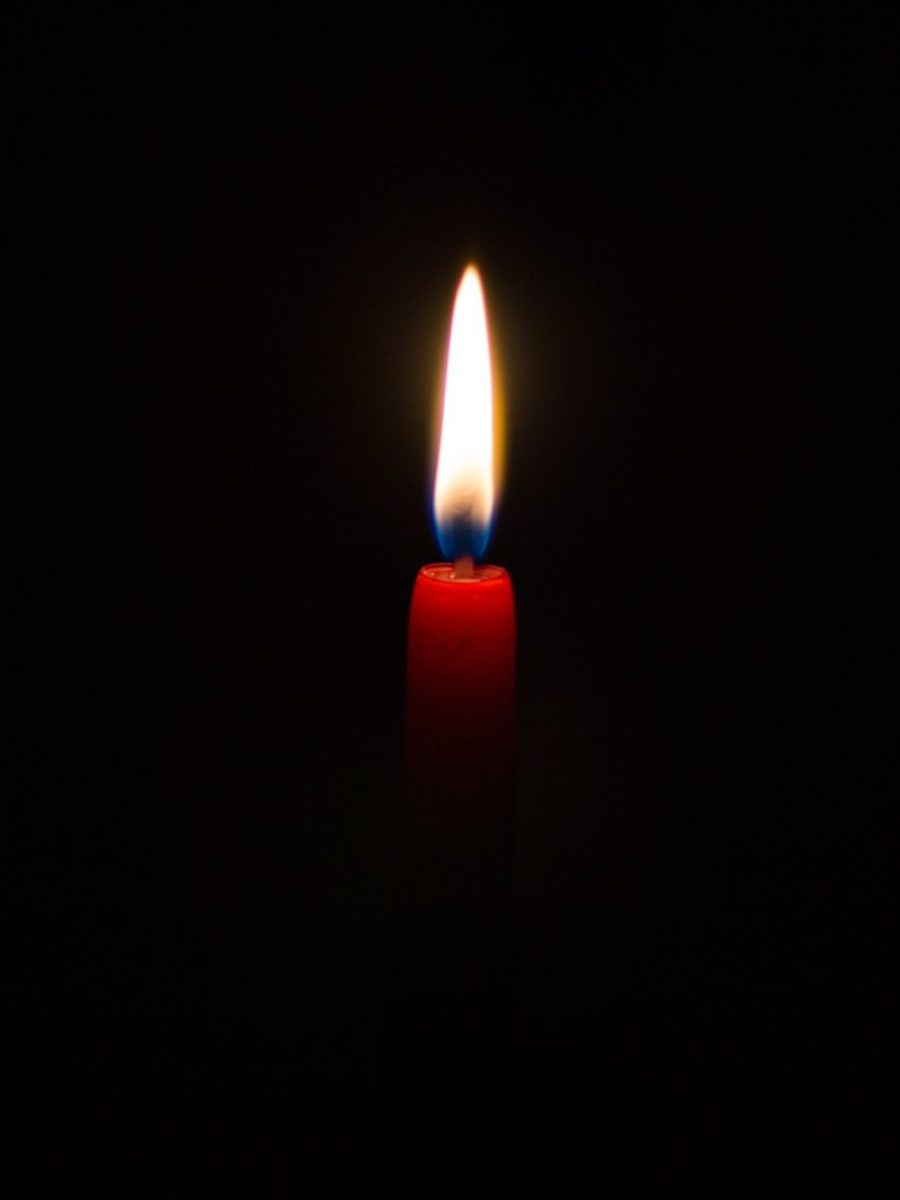
That is a good parallel to centring prayer. All you need is a chair, a candle and some silence.
Centring Prayer is a revival of monastic contemplative prayer. Thomas Keating and Basil Pennington were Trappist monks who promoted it in the 1980’s as a way of prayer, a way of simply being with God. They suggest setting aside twenty minutes twice a day to practice it. (I only manage it once a day). My practice goes like this:
- Sit upright with both feet on the floor. Breathe slowly.
- Don’t worry about the thoughts that come crowding in. Just don’t follow them. Keep returning to a simple prayer word like Abba. After ten minutes I usually find my busy mind settles down. I find having a lit candle in front of me is helpful even though I close my eyes.
- End with a prayer. I often use it as an introduction to other forms of prayer.
And it’s totally free!